About Phoenician Almuñécar
The historical significance of Phoenician Almuñécar is undisputed. According to the Greek geographer Strabo, Sexi served as the very first landing site for the Phoenicians in Western Europe. From here, explorers crossed the Strait of Gibraltar to reach the famed mineral wealth of Tartessos and found Gadir (Cádiz). While ancient sources date this initial expedition to roughly 1100 BC, modern archaeological evidence places the founding in the early ninth century BC.
The aristocratic cemetery of Cerro San Cristóbal in Almuñécar consists of 20 graves containing legendary treasures like the Apophis Vase and other pieces from the Egyptian royal collection. Christened "Laurita" by its excavator, this is the oldest Phoenician necropolis so far discovered in the West, with the tombs dating to 850–770 BC.
Sexi’s prominence continued to rise through Punic and Roman times. Today, modern Almuñécar is a flourishing coastal resort town featuring a seafront monument that pays tribute to its ancient Phoenician past.
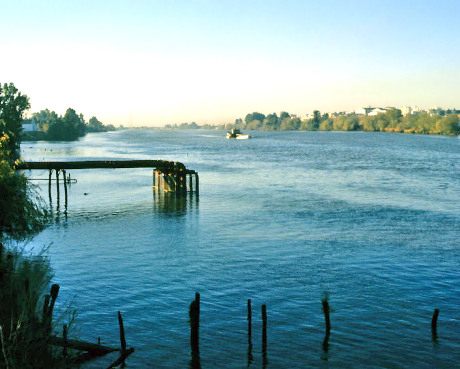
Despite a lack of raw materials and a mountain range separating it from the interior, Sexi sat in a highly strategic position. The settlement was flanked by river mouths to the east and west, offering an abundance of fertile agricultural land and a favourable climate for growing staple crops like wheat, olives, and grapes.
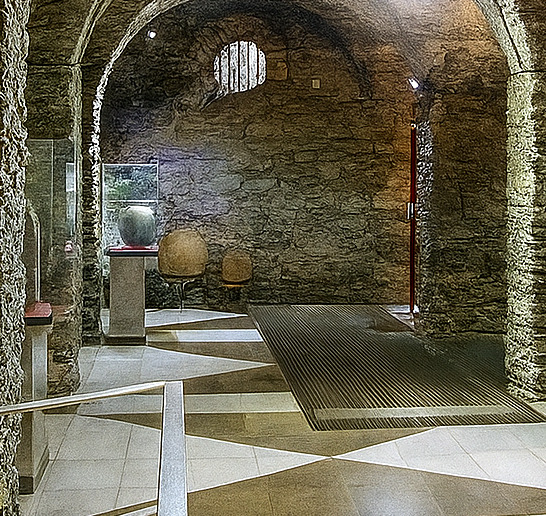
Excavations show that the centre of the Phoenician settlement was located exactly where Almuñécar’s castle and the Cave of the Seven Palaces museum now stand. This promontory, which dominates the modern town, may have originally been a small island jutting out into the sea.
Intriguingly, the earliest Phoenician wheel-made ceramics were found alongside handmade indigenous pottery. This coexistence suggests that the first settlers initially lived peacefully within an existing local community, which they soon came to dominate and establish as the town of Sexi.
The chance discovery in 1962 of the Cerro San Cristóbal necropolis stunned Phoenician scholars worldwide. The tombs contained Egyptian alabaster cremation urns from the pharaohs' royal collections. Finding these jars suggests that Sexi’s ruling class enjoyed close commercial ties with Egypt, a civilization navigating its Third Intermediate Period but still wielding immense prestige.
These luxury alabaster urns were likely diplomatic gifts from the Egyptian royal court to the prominent Phoenician dynasties controlling trade in Sexi. If so, they provide definitive proof of both the ruling class's high status and the settlement’s global commercial importance.
These prominent families were undoubtedly involved in exporting silver, bronze, copper, lead, and tin to both the Phoenician homeland and Egypt. Consequently, ancient Almuñécar became a key player in the vast metal-extraction network that first drew the Phoenicians to southern Spain.
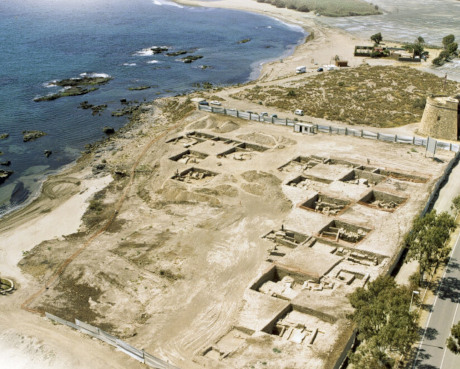
Beyond the metal trade, Sexi boasted a thriving industry producing salted fish and fermented fish sauce - the predecessor to the highly lucrative Roman garum. This economic success is evidenced by extensive fish bone deposits, later depictions of tuna on Sexitan coins, and the impressive salting facilities still visible today. Originally constructed by the Phoenicians, these ancient industrial vats remain open to the public in Almuñécar.
Sexi operated as a major Western European commercial centre, specializing in the production and trade of metals, ceramics, and preserved foods. Utilizing both maritime and river networks, the settlement traded these staple Phoenician goods while connecting the Mediterranean to established indigenous communities in the interior.
Ancient Almuñécar is central to the story of the Phoenicians in Spain due to the illuminating finds at its two necropolises: Cerro San Cristóbal and Puente de Noy. Both burial grounds were located roughly a kilometre away from the settlement’s urban centre and separated from it by rivers.
The Cerro San Cristóbal necropolis was accidentally discovered in 1962 by construction workers building houses on a hill for the town’s fishermen. Uncovered during excavation, elaborate shaft tombs up to five metres deep contained alabaster cremation urns inscribed with Egyptian hieroglyphics and pharaonic cartouches.
Most of the Phoenician heirlooms from the Cerro San Cristóbal necropolis would have disappeared into private hands had local doctor Laura de Prieto-Moreno not decisively stepped in and alerted authorities. Her swift intervention led to the necropolis being christened "Laurita" in her honour.
Beyond the Egyptian alabaster urns, the opulent grave goods found in Laurita’s tombs include characteristic Phoenician red slip plates, mushroom-lip jugs, and trefoil pitchers. Excavators also discovered jewelry, oil lamps, imported Greek tableware, and decorated ostrich eggs from North Africa - further evidence of Sexi’s prominent role in international trade.
The Puente de Noy cemetery mainly contains later Punic-era burials, with the exception of two monumental Phoenician chamber tombs. Similar to those at Trayamar and dating to the seventh century BC, these vaults reflect the high social rank of the deceased through their sophisticated architecture and ostentatious carved lion sculptures guarding the family vaults.
These two necropolises represent only a fraction of Almuñécar’s Phoenician burials from the eighth and seventh centuries BC. The oldest tombs are likely lost forever, covered by the modern urban development that originally triggered their discovery.
The Apophis Vase
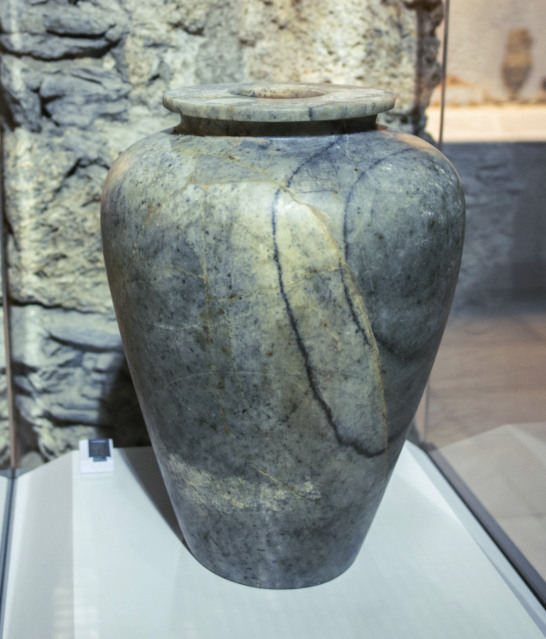
The Apophis Vase is a luxury burial urn originally belonging to the Egyptian pharaoh Apophis I, who ruled for 40 years during the 16th century BC. Carved from a single block of veined gray marble, the vessel features two detailed hieroglyphic inscriptions on its neck and rim. These royal markings make it the oldest comprehensible written document ever discovered on the Iberian Peninsula.
This veined grey marble vessel likely arrived in Spain during the eighth century BC as a diplomatic gift from the Egyptian royal house to one of the prominent Phoenician dynasties controlling trade in ancient Sexi. Originally, the exotic vessel would have contained the finest vintage wines or costly aromatics - precious commodities designed to please the gods while reflecting the immense social status of the recipient.
While similar Egyptian vessels originally functioned as sacred canopic jars to hold organs, the Phoenicians repurposed this valuable object as a cremation urn to contain the ashes of their deceased. The Apophis Vase is striking for the precision and symmetry of its carving, standing as a unique, priceless testament to the prominent Phoenician presence in southern Spain nearly 3,000 years ago.
Seven Palaces
Address
Opening Hours
Opening hours vary depending on the time of year, please consult the Ayuntamiento de Almuñécar website for the latest timetable.
Adults: €4, Children and Pensioners: €2.50, Groups: €2
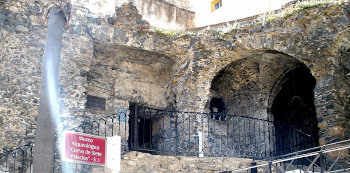
The archaeological museum Cueva de Siete Palacios (Cave of the Seven Palaces) is located in the heart of historical Almuñécar on the site of a 1st century AD Roman public building. Established in 1984, the museum includes finds from both the Phoenician Cerro de San Cristobal (‘Laurita’) necropolis and the later Phoenician/Punic Puente de Noy necropolis.
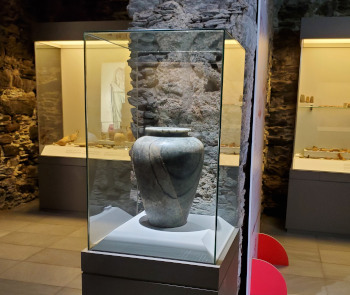
The highlight of the Cave of the Seven Palaces is undoubtedly an alabaster Egyptian vase dating from the 17th century BC and originally belonging to the Pharaoh Apophis I. The vase was imported by the Phoenicians and found in the Laurita necropolis where the elite tombs date from around 850-770 BC.
The engraved hieroglyphic script on the Vase of Apophis is the oldest written text found in Spain.
.jpg)