Baria Campaign Photos
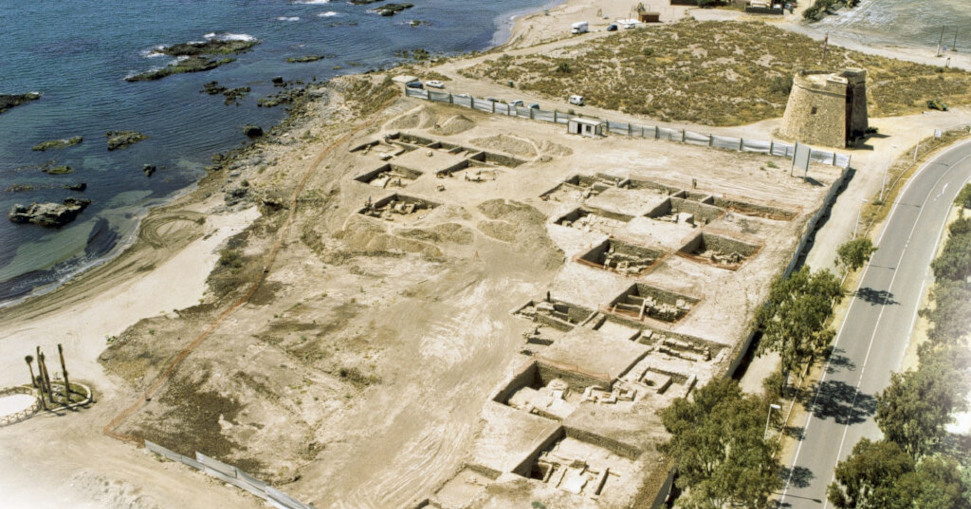
The vital, beautiful and extensive archaeological zone containing the remains of Phoenician Baria was declared a Site of Cultural Interest (BIC) in 2005.

The Tomb of the Warrior
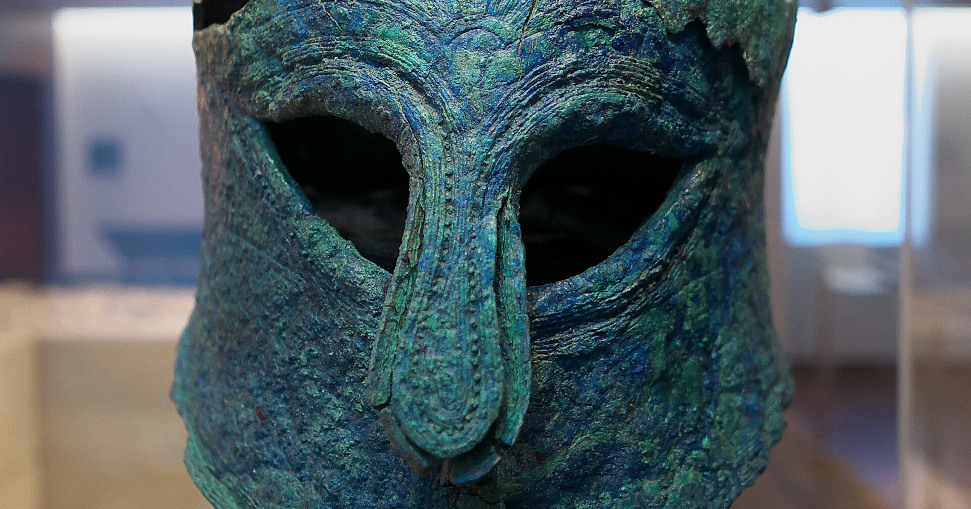
The recently excavated Tomb of the Warrior and its grave goods dating from the sixth century BC represent a unique and enigmatic testament to the Phoenician presence in southern Spain.
Coria del Río / Caura
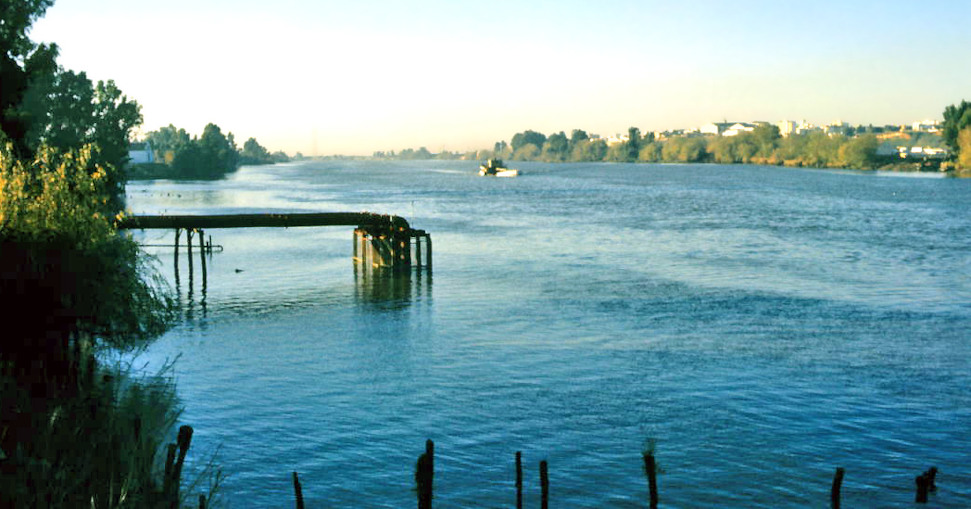
The town of Coria del Río is situated on the banks of the Guadalquivir River (known as the Tartessos in ancient times) 12km south of the major city Seville.
Phoenician La Rebanadilla
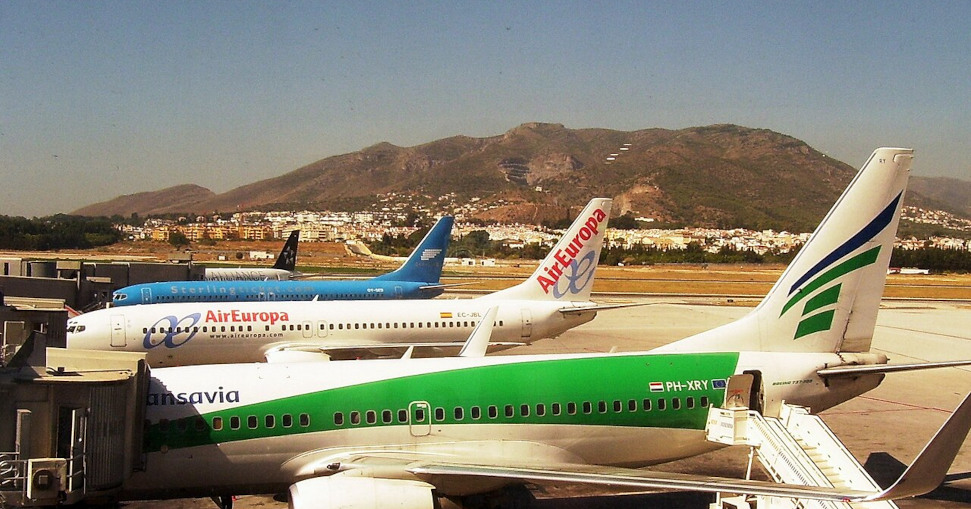
The main entry point to southern Spain today is Malaga Airport, whose second runway covers the remains of the Phoenician settlement of La Rebanadilla.
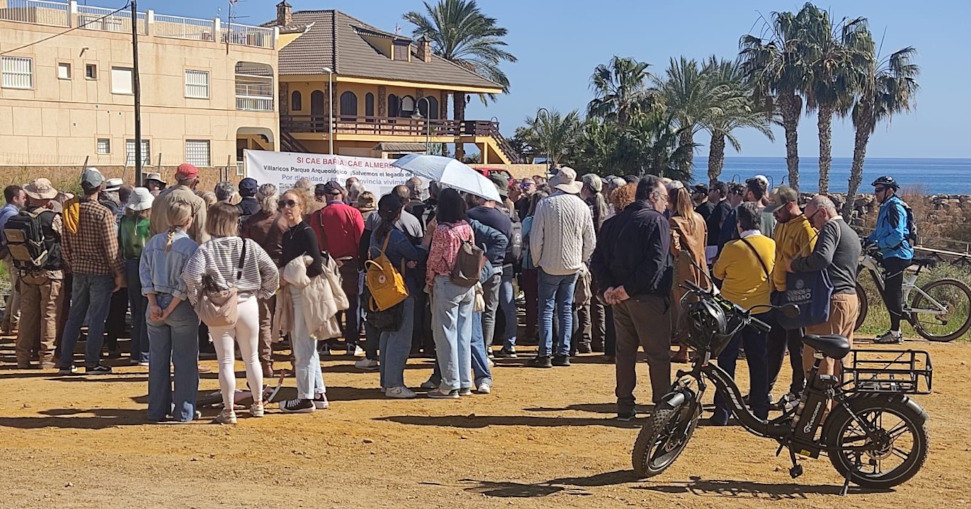
The United for Baria Campaign
The fishing village of Villaricos in Spain is gaining nationwide attention as developers plan to build luxury holiday apartments over the remains of the Phoenician city of Baria.
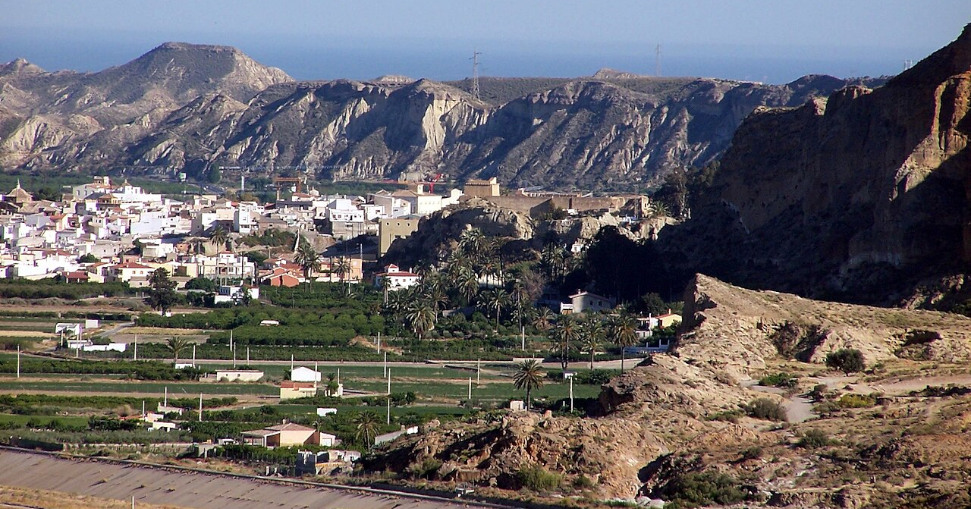
The Phoenician City of Baria
The Phoenician city known as Baria by the Romans lies underneath the quiet fishing village of Villaricos in Cuevas del Almanzora, a municipality of Almería province in southern Spain.
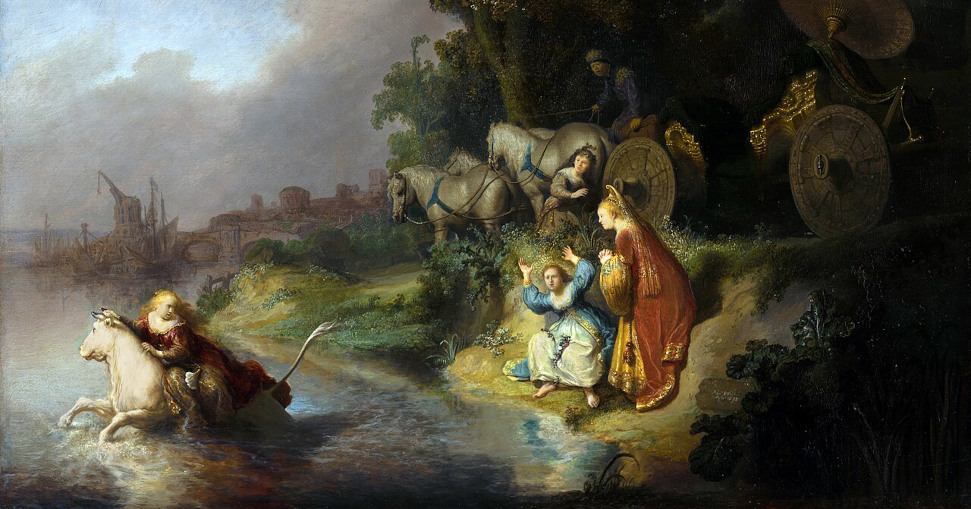
Princess Europa and the Naming of a Continent
Few people realise that the European continent is named after a Phoenician princess called Europa whose son King Minos founded the Minoan civilisation.
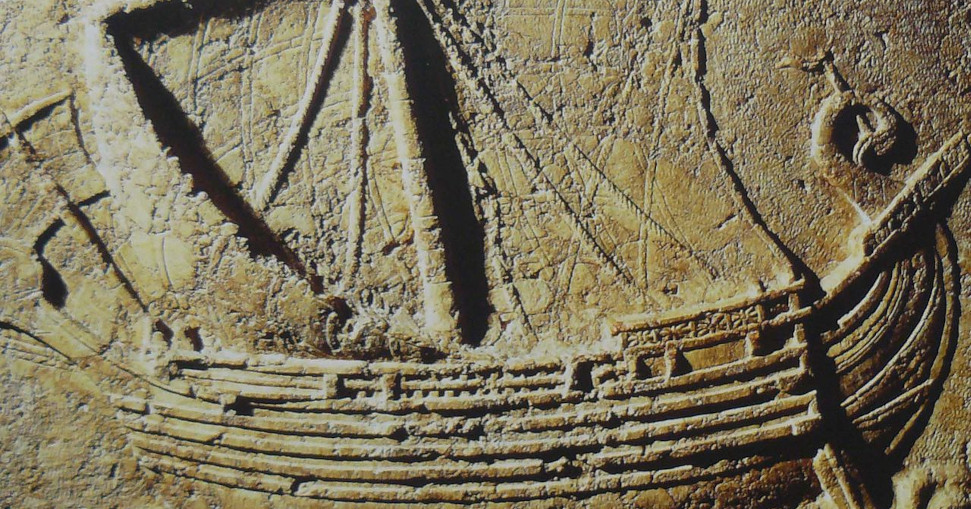
The Bajo de la Campana Shipwreck
The Bajo de la Campana wreck was a large Phoenician merchant vessel, 15 to 20 metres in length, designed for long-distance trade between the Eastern and Western Mediterranean.
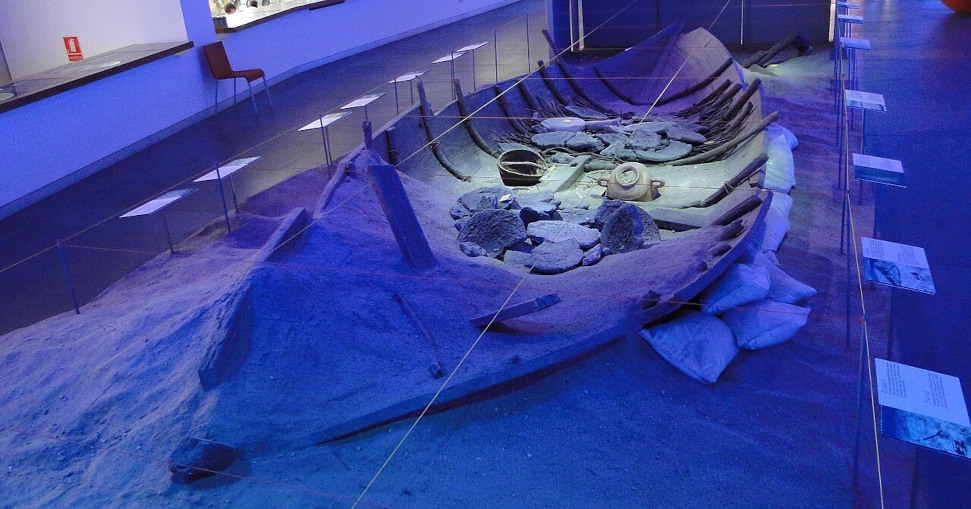
The Mazarrón Shipwrecks
Dated to the second half of the seventh century BC, the Mazarrón shipwrecks are two of only six Phoenician vessels discovered in the Mediterranean.
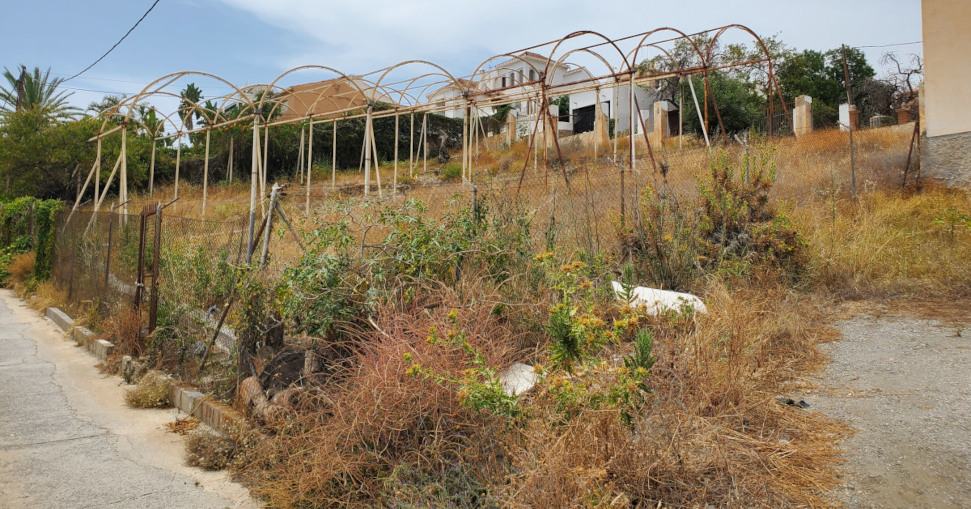
The Future of Archaeological Site Conservation
A simple fence and tensioned textile canopy prevent an archaeological site from being covered in litter and descending into neglect, then to be forgotten and gradually erased from memory.
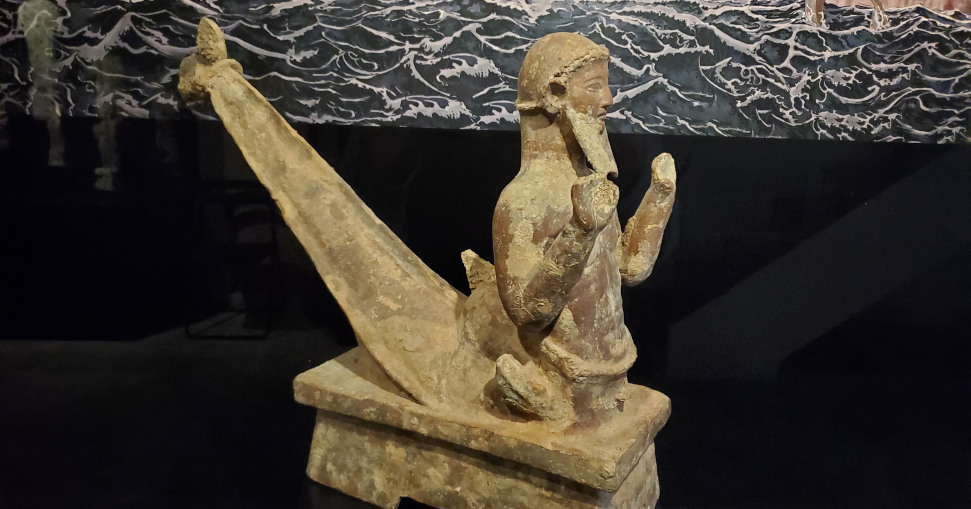
The Ifergan Gallery's Phoenician Collection
The Ifergan Collection is one of the foremost private archaeological collections in the world, assembled by Vicente Jimenez Ifergan, who began collecting antiquities aged 17 and opened the Ifergan Gallery in Malaga city centre in 2018.
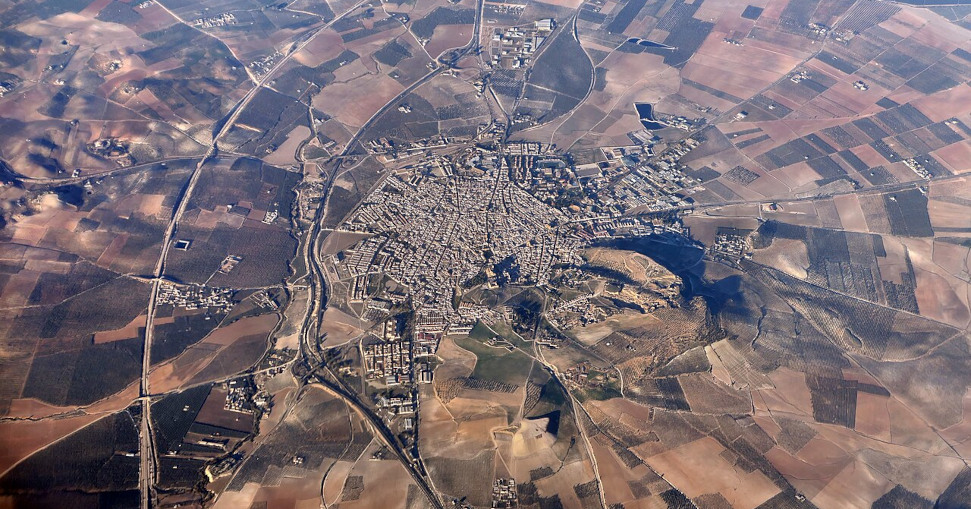
Government 'Plans' Demanded For Osuna's Phoenician Necropolis
In March 2025, the PSOE party in the Parliament of Andalucia demanded that the Spanish Ministry of Culture report on its plans for the town of Osuna’s ‘unprecedented’ Phoencian-Punic necropolis which, to the astonishment of archeologists, was discovered during water supply upgrade work in 2022.